
Top list 2026
Our picks at a glance
Why is it our top pick?
Our top choice combines exceptionally effective noise cancelling with clear, adaptable sound, comfortable everyday wear and unusually capable call microphones. The chief compromise is that USB-C is for charging rather than digital wired playback, and bass can change if the ear cushions do not seal properly.
Read the full review ↓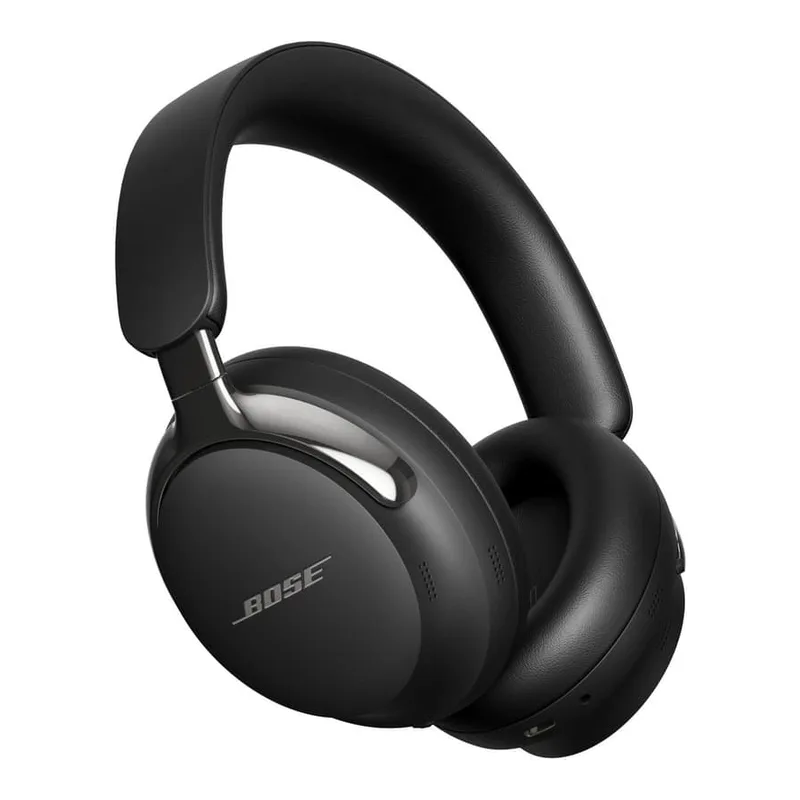
Best for noise cancelling
Bose QuietComfort Ultra Headphones (2nd Gen)Best for: Blocking out travel and office noise
9.2/10
£399.95
8.0/10
£149
The models side by side
The key differences between the models on our list. Click a model to read the full review.
Best overall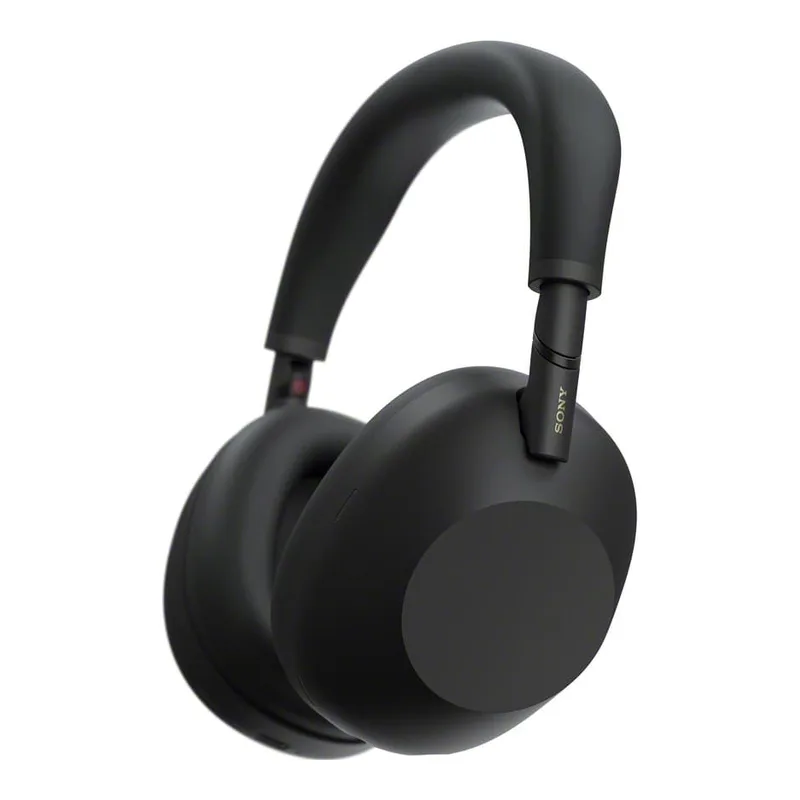 SonyWH-1000XM6 | #2BoseQuietComfort Ultra Headphones (2nd Gen)Best for noise cancelling | #3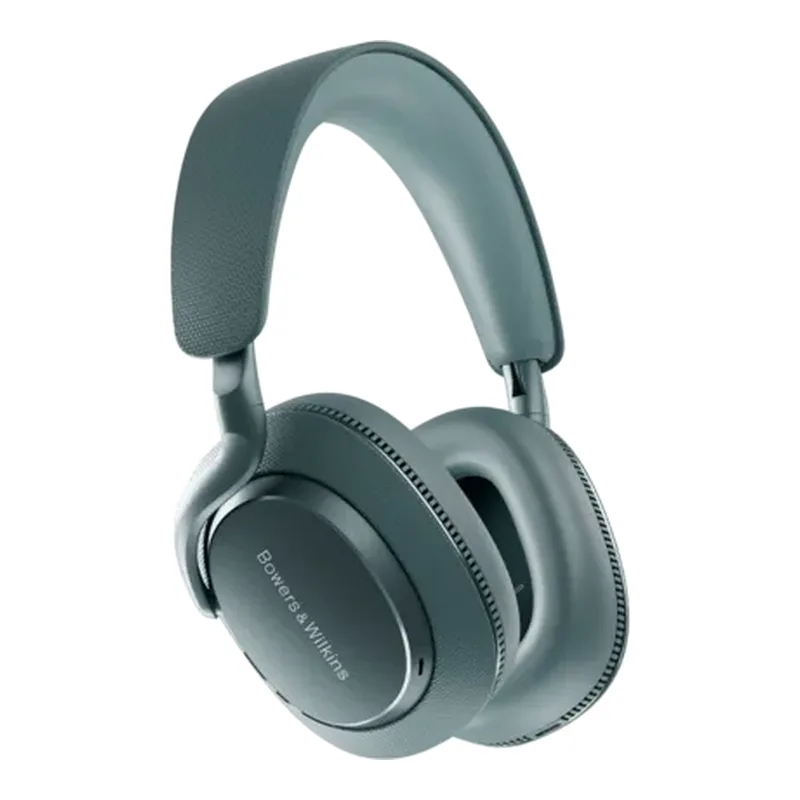 Bowers & WilkinsPx7 S3Best for sound quality | #4NothingHeadphone (1)Best design and controls | #5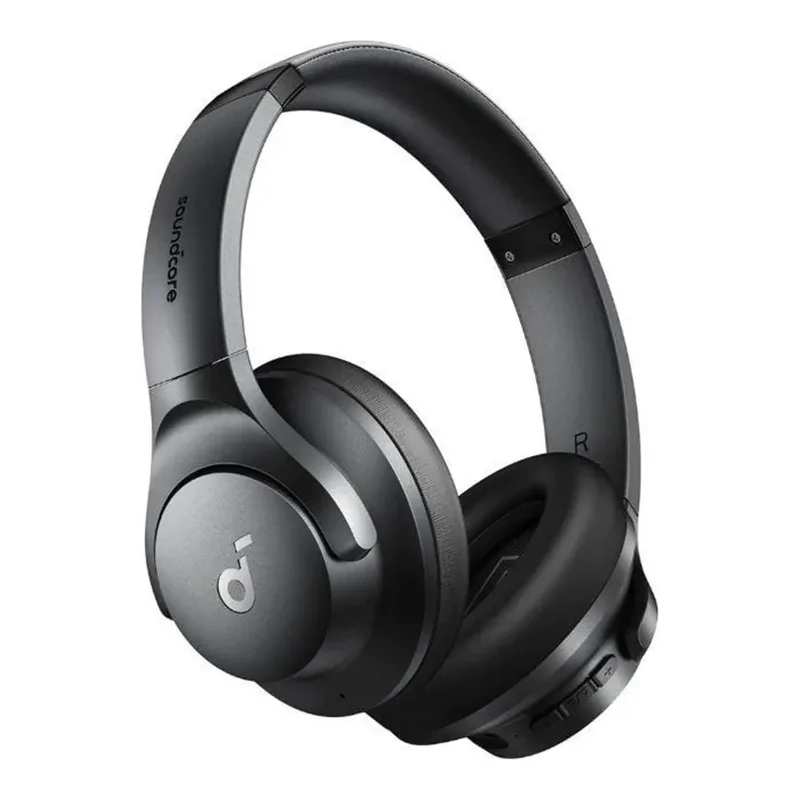 SoundcoreQ20iBest budget choice | |
|---|---|---|---|---|---|
| Price | £298 | £399.95 | £359 | £149 | £49.99 |
| Weight | Approx. 254 g | 264 g | 300 g | 329 g | Approx. 243 g |
| Bluetooth and codecs | Bluetooth 5.3; SBC, AAC, LDAC, LC3 | Bluetooth 5.4 | Bluetooth 5.3; SBC, AAC, aptX Adaptive, aptX Lossless | Bluetooth 5.3; SBC, AAC, LDAC | Bluetooth 5.0, multipoint |
| Wired listening | 3.5 mm, also when switched off; no USB audio | Lossless USB-C audio; 2.5–3.5 mm cable | USB-C audio and 3.5 mm cable (needs charge) | 3.5 mm and USB-C audio | 3.5 mm AUX (switches ANC off) |
| Best for | Commuting, the office and clear calls | Blocking out travel and office noise | Musical detail and texture | Tactile controls and a flexible app | Noise cancelling on a tight budget |
| Score | 9.4 | 9.2 | 8.5 | 8.0 | 6.8 |
Find the right over-ear headphones for you
Answer five short questions about how you listen, where you use your headphones and what you want to spend. We match your answers with the models in this guide.
Best for: Commuting, the office and clear calls

Sony
1. Sony WH-1000XM6
Sub-scores and weighting by criterion
- Noise Cancellingweight 35%
- 10.0/10
10.0 out of 10 - Sound Qualityweight 30%
- 9.0/10
9.0 out of 10 - Comfort & Buildweight 20%
- 9.0/10
9.0 out of 10 - Battery Life & Featuresweight 15%
- 9.2/10
9.2 out of 10
In short
The WH-1000XM6 are our best overall choice because they get the difficult balance right: strong noise cancelling, convincing musical detail, sensible travel comfort and reliable communication features. Independent evaluations from RTINGS and What Hi-Fi? support their standing, although those organisations use different listening and measurement methods. Our verdict is a synthesis of published evidence and official specifications, not a claim that Testrated ran its own laboratory test. Sony still leaves digital USB-C listening to several competitors.
Compiled by Marcello Rongione · Updated
Who is the Sony WH-1000XM6 for?
Best for commuters and travellers who want a light, foldable pair with strong all-round noise cancelling, clear calls and detailed sound without carrying extra cables. If you specifically need digital USB-C audio from a laptop, look at the Bose QuietComfort Ultra or Bowers & Wilkins Px7 S3 instead.
Noise cancelling that suits real commuting
Published isolation measurements and listening comparisons place the XM6 among the most effective choices for steady low-frequency noise. They make the rolling hum of a train, aircraft cabin drone and air-conditioning noticeably less intrusive, while their passive isolation and processing help soften nearby speech.
Sony's adaptive noise control is more automatic than Bose's adjustable approach. What Hi-Fi? describes its effect as comparatively natural, whereas Bose can suppress slightly more sound in certain situations. Call quality is another strength: RTINGS reports intelligible speech and effective separation of the caller's voice from background noise.
Pros
- Strong reduction of engine drone and nearby chatter
- Lightweight at approximately 254 g, with a comfortable fit for many wearers
- Clear voice pickup and effective background-noise rejection
- Foldable design, multipoint Bluetooth and useful app EQ
Cons
- Bass response varies with seal and fit, especially around glasses
- Not secure enough for vigorous workouts
- No digital USB-C audio input
- Premium pricing compared with mid-range alternatives
Key specifications
Sony- Brand
- Sony
- Price
- £298
- Battery life with ANC
- Up to 30 hours (40 with ANC off)
- Weight
- Approx. 254 g
- Bluetooth and codecs
- Bluetooth 5.3; SBC, AAC, LDAC, LC3
- Wired listening
- 3.5 mm, also when switched off; no USB audio
- Best for
- Commuting, the office and clear calls
- Overall score
- 9.4 / 10
Best for: Blocking out travel and office noise
Bose
2. Bose QuietComfort Ultra Headphones (2nd Gen)
Sub-scores and weighting by criterion
- Noise Cancellingweight 35%
- 10.0/10
10.0 out of 10 - Sound Qualityweight 30%
- 8.5/10
8.5 out of 10 - Comfort & Buildweight 20%
- 9.5/10
9.5 out of 10 - Battery Life & Featuresweight 15%
- 8.2/10
8.2 out of 10
In short
For frequent flyers and anyone who works beside persistent noise, Bose's second-generation QuietComfort Ultra are a very persuasive alternative to Sony. Their noise cancelling is exceptionally strong, the cushions are comfortable and the new USB-C listening option makes desk use more flexible. What Hi-Fi? favours Bose for the sheer amount of sound blocked in some scenarios but considers Sony the better all-round musical performer. We therefore rank Bose second rather than treating ANC strength as the whole story.
Compiled by Marcello Rongione · Updated
Who is the Bose QuietComfort Ultra Headphones (2nd Gen) for?
Best for frequent flyers and people working beside constant background noise who want the most effective isolation and a USB-C digital audio option. Choose the Sony WH-1000XM6 instead if you prefer a more neutral musical balance or longer battery life with extra features switched on.
Excellent isolation, but consider the sensation
Quiet mode reduces the continuous drone of planes, buses and ventilation systems particularly effectively, with meaningful reduction of speech and other distractions as well. What Hi-Fi?'s head-to-head testing found Bose exceptionally effective at suppressing the intensity of external noise. Its Aware mode lets in surroundings for conversations or station announcements, and ActiveSense can moderate sudden intrusions without requiring you to remove the headphones.
Not everyone likes the resulting experience. Strong ANC can feel like pressure in the ears, even though the effect is not caused by a physical vacuum. If you are sensitive to it, compare Bose and Sony in person rather than relying on a headline noise-reduction ranking.
Pros
- Excellent noise reduction, including low-frequency rumble
- Plush cushions and comfortable long-session fit
- USB-C digital listening as well as an analogue cable
- Adjustable listening modes, including Aware mode with ActiveSense
Cons
- ANC can create a noticeable pressure-like sensation for some listeners
- Sound is less evenly balanced than Sony's according to some comparisons
- Immersive Audio shortens battery life
- Full performance depends on a charged battery
Key specifications
Bose- Brand
- Bose
- Price
- £399.95
- Battery life with ANC
- Up to 30 hours; 23 with Immersive Audio
- Weight
- 264 g
- Bluetooth and codecs
- Bluetooth 5.4
- Wired listening
- Lossless USB-C audio; 2.5–3.5 mm cable
- Best for
- Blocking out travel and office noise
- Overall score
- 9.2 / 10
Best for: Musical detail and texture
Bowers & Wilkins
3. Bowers & Wilkins Px7 S3
Sub-scores and weighting by criterion
- Noise Cancellingweight 35%
- 8.0/10
8.0 out of 10 - Sound Qualityweight 30%
- 9.5/10
9.5 out of 10 - Comfort & Buildweight 20%
- 8.2/10
8.2 out of 10 - Battery Life & Featuresweight 15%
- 8.0/10
8.0 out of 10
In short
The Px7 S3 are our sound-focused recommendation for people who care about vocal texture, instrumental separation and the feel of the headphones themselves. Independent assessments are not unanimous about their tuning: What Hi-Fi? praises their definition while SoundGuys notes an unusually bass-forward response and variable fit. That tension is worth acknowledging rather than hiding. They are also versatile for wired listening, provided the battery has charge.
Compiled by Marcello Rongione · Updated
Who is the Bowers & Wilkins Px7 S3 for?
Best for listeners who prioritise detailed, expressive sound and solid build quality, and who do not mind the heavier 300 g design or carrying a charger. If weight or guaranteed wired playback with a flat battery matters more to you, the Sony WH-1000XM6 is the safer choice.
A distinct presentation, not a universally flat one
The 40 mm bio-cellulose drivers, dedicated amplification and processing give the Px7 S3 an articulate character with convincing separation of instruments. In direct listening comparisons, What Hi-Fi? considers them competitive with Sony for fine detail, while SoundGuys records a bass-emphasised frequency response that may not appeal to everyone.
The Bowers & Wilkins Music app supplies a five-band equaliser and a TrueSound setting that removes personal tonal adjustments. AptX Lossless and Adaptive are supported, but only with compatible source hardware; an iPhone ordinarily uses AAC. Digital USB-C listening offers a more direct route for a computer or compatible phone, without implying that every high-resolution file will produce an audible advantage.
Pros
- Expressive, detailed sound with capable ANC
- USB-C digital audio and included USB-C-to-3.5 mm lead
- aptX Adaptive and aptX Lossless on compatible sources
- Solid materials, physical controls and five-band EQ
Cons
- Around 300 g, so noticeably heavier than Sony
- Sound signature is not universally neutral
- No truly passive playback with a depleted battery
- EQ flexibility is more limited than some rivals
Key specifications
Bowers & Wilkins- Brand
- Bowers & Wilkins
- Price
- £359
- Battery life with ANC
- Up to 30 hours
- Weight
- 300 g
- Bluetooth and codecs
- Bluetooth 5.3; SBC, AAC, aptX Adaptive, aptX Lossless
- Wired listening
- USB-C audio and 3.5 mm cable (needs charge)
- Best for
- Musical detail and texture
- Overall score
- 8.5 / 10
Best for: Tactile controls and a flexible app
Nothing
4. Nothing Headphone (1)
Sub-scores and weighting by criterion
- Noise Cancellingweight 35%
- 8.0/10
8.0 out of 10 - Sound Qualityweight 30%
- 7.5/10
7.5 out of 10 - Comfort & Buildweight 20%
- 8.0/10
8.0 out of 10 - Battery Life & Featuresweight 15%
- 9.0/10
9.0 out of 10
In short
Headphone (1) is the choice for buyers who want useful, physical interaction rather than another anonymous pair of black headphones. Its feature set is unusually complete for the checked UK price of £149, with digital and analogue cables, LDAC, custom EQ and substantial battery claims. SoundGuys rates its noise cancelling strongly; What Hi-Fi? is more reserved about the musical excitement and refinement. We favour it for practicality and personality, not as the definitive sound-quality winner.
Compiled by Marcello Rongione · Updated
Who is the Nothing Headphone (1) for?
Best for buyers who want tactile physical controls, flexible 3.5 mm and USB-C wired options, and very long claimed battery life at a mid-range price. Choose the Sony WH-1000XM6 if you want a more compact folding design and a more polished out-of-the-box sound.
Controls you can operate without looking
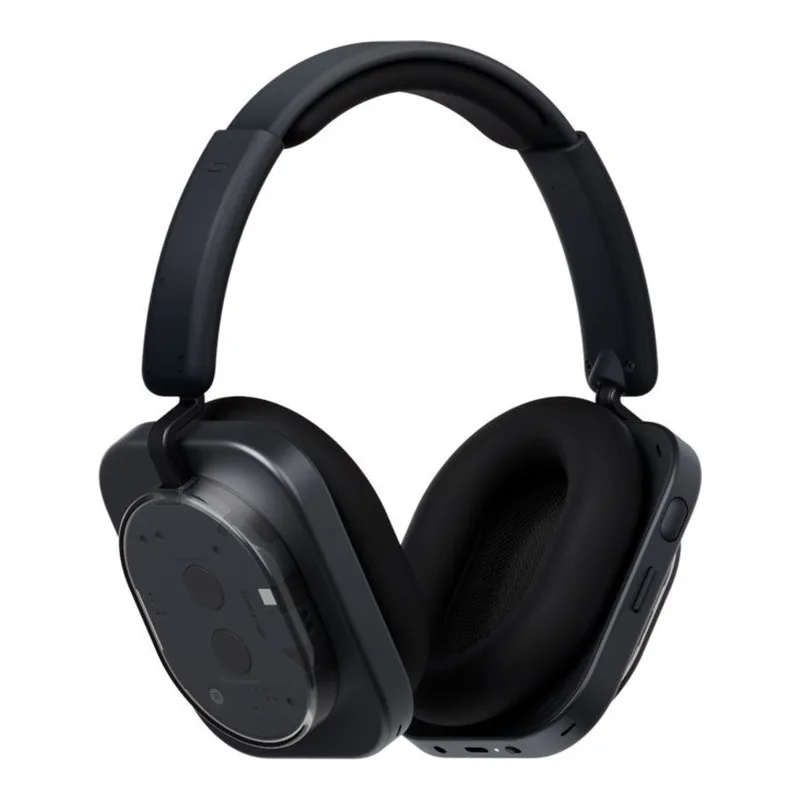
The metal-like rectangular earcup design is immediately recognisable, but the more meaningful difference is the hardware interface. A roller adjusts volume, a paddle handles track navigation and a button can be assigned to functions. Nothing's companion app offers sound presets and extensive equaliser adjustment.
The 40 mm drivers were tuned with input from KEF, though a respected audio partner does not guarantee that everyone will like the result. Their fit is more conspicuous than Sony's streamlined design and the cups do not collapse into a small travel bundle.
Pros
- Thoughtful physical roller, paddle and button controls
- USB-C, 3.5 mm and LDAC wireless playback
- Up to 35 hours with ANC or 80 hours without (AAC)
- Strong app customisation and IP52 dust/splash resistance
Cons
- Default sound can seem dark or rhythmically restrained
- Design is bulky and does not fold compactly
- Fit is not equally secure for every head shape
- Wind can impair ANC performance
Key specifications
Nothing- Brand
- Nothing
- Price
- £149
- Battery life with ANC
- Up to 35 hours (AAC); 30 hours (LDAC)
- Weight
- 329 g
- Bluetooth and codecs
- Bluetooth 5.3; SBC, AAC, LDAC
- Wired listening
- 3.5 mm and USB-C audio
- Best for
- Tactile controls and a flexible app
- Overall score
- 8.0 / 10
Best for: Noise cancelling on a tight budget
Soundcore
5. Soundcore Q20i
Sub-scores and weighting by criterion
- Noise Cancellingweight 35%
- 7.0/10
7.0 out of 10 - Sound Qualityweight 30%
- 5.2/10
5.2 out of 10 - Comfort & Buildweight 20%
- 8.0/10
8.0 out of 10 - Battery Life & Featuresweight 15%
- 8.0/10
8.0 out of 10
In short
The Soundcore Q20i are our budget pick because they tackle the essentials at an accessible price: comfortable over-ear coverage, hybrid noise cancelling, two-device Bluetooth and extensive claimed battery life. Soundcore's own 'up to 90%' noise-reduction figure describes its selected test conditions and should not be mistaken for a universal result. We recommend them as a sensible starting point for everyday commuting or home working.
Compiled by Marcello Rongione · Updated
Who is the Soundcore Q20i for?
Best for students and first-time ANC buyers who want long battery life, basic noise cancelling and multipoint Bluetooth at an accessible price. If you regularly take calls in noisy places or want more refined, neutral sound, the Sony WH-1000XM6 is a better long-term investment.
Useful on the bus, less convincing with voices
The Q20i use microphones inside and outside each earcup to process ambient noise. Continuous engine drone, fans and the rumble of a bus are the sounds most likely to be made less distracting; intermittent conversation and sharp station announcements are much harder to suppress. The headphones also rely on their padded cups for passive isolation.
A transparency mode lets outside sound back in when someone speaks to you, though it is not as natural or finely adjustable as the modes on Sony and Bose. Call performance is where the premium rivals pull further ahead, which matters more for people who make work calls on busy streets.
Pros
- Affordable £49.99 official UK list price
- Up to 40 hours with ANC and 60 without
- Bluetooth multipoint, app EQ and 3.5 mm connection
- Useful reduction of steady background hum
Cons
- Bass-heavy factory balance can obscure voices and detail
- Call quality is less suited to noisy streets than premium rivals
- Less effective cancellation of irregular voices than premium rivals
- Analogue cable disables ANC and Bluetooth
Key specifications
Soundcore- Brand
- Soundcore
- Price
- £49.99
- Battery life with ANC
- Up to 40 hours (60 with ANC off)
- Weight
- Approx. 243 g
- Bluetooth and codecs
- Bluetooth 5.0, multipoint
- Wired listening
- 3.5 mm AUX (switches ANC off)
- Best for
- Noise cancelling on a tight budget
- Overall score
- 6.8 / 10
The shortlist
Other models we considered – and why they did not make the list
15 reviewed · 5 selected · 10 ruled out – see why
See whyHide
The shortlist
Other models we considered – and why they did not make the list
15 reviewed · 5 selected · 10 ruled out – see why
We compared these models with the top list. Under each one we explain what set it apart from the five we picked – such as price, test results, features or availability in the UK.
Replaced by a newer generation4
- Sony WH-1000XM5 – The previous generation remains worth considering at a meaningful discount. The XM6 improve call intelligibility in difficult surroundings, folding portability and published performance against voices; the XM5 still offer capable ANC, so the price gap matters.
- Apple AirPods Max – The original AirPods Max have been superseded by AirPods Max 2, introduced in March 2026. The original's roughly 385 g weight, unusual Smart Case and lack of a conventional off switch make them less convenient for travel; buyers considering Apple should compare the newer £499 Max 2 rather than treating the older model as current.
- Bose QuietComfort Ultra Headphones (1st Gen) – We deliberately chose the second generation, which adds digital USB-C audio, over the original model.
- Bowers & Wilkins Px7 S2e – The Px7 S3 represent the newer generation in our music-focused pick.
Strong alternatives that fell just short4
- Sennheiser Momentum 4 Wireless – Still notable for a quoted 60-hour battery life and lively sound, often with attractive discounted UK pricing. Its noise cancelling is less convincing than Sony or Bose in demanding commuter environments, and newer Sennheiser models also deserve consideration if available at a competitive price.
- JBL Tour One M3 – A relevant alternative, but the five selected models cover the main needs better in this guide.
- Sennheiser Accentum Plus – The mid-range is represented in this selection by Nothing Headphone (1).
- Soundcore Space One – The Q20i fill the role of the affordable ANC choice in this selection.
A different sound focus2
- Focal Bathys – A more specialised sound-first choice that falls outside this focused comparison.
- Sony ULT Wear – Its bass-led tuning fits less well with our priority on versatile music reproduction.
The expert panel
What do other experts say?
We read what established review sites write about the same models and summarise it in our own words. Their verdicts are one of several sources – they do not decide our ranking, but give you a broader picture before you buy.





- 5 independent review sites
- Reviews published 2025–2026
- Praise and criticism
Best overall
Sony WH-1000XM6
RTINGS
External product review
- Praises
- RTINGS highlights the noise cancelling, comfort, battery life and clear voice pickup.
- Criticises
- It notes that the sound varies with fit and that the headphones are not very stable during movement.
Testrated's assessment
We give the combination of noise cancelling, comfort and call quality a lot of weight for the all-round role.
Checked 16 Nov 2026Read the review at RTINGSBest for noise cancelling
Bose QuietComfort Ultra Headphones (2nd Gen)
Engadget
Published 17 Oct 2025
- Praises
- Engadget praises the improved noise cancelling, sound and power management as well as the comfort.
- Criticises
- The high price and the glossy finish are its main objections.
Testrated's assessment
Bose gets our highest comfort score and shares the top noise-cancelling score; USB-C audio makes it useful at a desk.
Checked 16 Nov 2026Read the review at EngadgetBest for sound quality
Bowers & Wilkins Px7 S3
What Hi-Fi?
Published 24 Apr 2025
- Praises
- What Hi-Fi? praises the full-bodied sound, the musical texture and the build quality.
- Criticises
- It points to strong competition and a design that does not fold.
Testrated's assessment
We give the sound most weight for this model's role, but noise cancelling counts for more in the overall ranking.
Checked 16 Nov 2026Read the review at What Hi-Fi?Best design and controls
Nothing Headphone (1)
SoundGuys
Updated 18 Mar 2026
8.1/10Source's score
- Praises
- SoundGuys rates the noise cancelling, the app, the battery life and the IP52 rating.
- Criticises
- It describes the default tuning as dark and recommends adjusting the EQ.
Testrated's assessment
We give the controls and connections a lot of weight for this model's role, but the default tuning holds back its ranking.
Checked 16 Nov 2026Read the review at SoundGuysBest budget choice
Soundcore Q20i
TechGearLab
Published 3 Sept 2025
- Praises
- TechGearLab recommends the noise cancelling, long battery life and comfort for budget buyers.
- Criticises
- It is strongly critical of the sound balance and detail.
Testrated's assessment
We recommend the Q20i for affordable noise cancelling, not for listeners who mainly want accurate music reproduction.
Checked 16 Nov 2026Read the review at TechGearLab
Buying guide
How to Choose the Right Over-Ear Headphones
- By Marcello Rongione · Updated 2026-11-16
- 6 sections
- About 3 min read
Which over-ear headphones suit you depends on where you need quiet and how long you wear them. On a train the noise cancelling makes the difference straight away; over a long working day, headband pressure, call quality and switching between laptop and phone can matter more.
Start with how you will use them, then check the fit and the connections. A long list of codecs cannot make up for cushions that pinch or let noise in.
What's the difference between active noise cancelling and passive isolation?
Back to topActive noise cancelling uses microphones and processing to counter external sound, particularly regular, low-frequency noise such as aircraft engines or the drone of a train. Passive isolation is simply the seal and physical barrier of the pads, which helps more with higher-pitched voices and unpredictable clatter. The most useful measurement is combined isolation across frequencies, not a maker's single percentage claim.
On the Tube or in a busy café, ANC can make listening comfortable at a lower volume, but it cannot remove every voice or make the wearer safe from hazards. Transparency modes allow announcements and conversation back in; they differ substantially in how natural they sound. A good fit and consistent seal usually matter more than an extra mode name.
Which over-ear headphones suit your routine?
Back to topThe right pair depends more on how and where you listen than on a single spec. Here are common situations and which models in the test line up best with them.
For the frequent flyer
If blocking engine drone and cabin noise is the priority, the Bose QuietComfort Ultra (2nd Gen) offer particularly strong isolation and a USB-C digital audio option for long-haul entertainment systems. Switching on Immersive Audio drops battery life to 23 hours, so turn it off for the longest flights. The Sony WH-1000XM6 are a lighter alternative at 254 g with equally long battery claims, though their musical balance leans more neutral than Bose's warmer sound.
For home office calls
The Sony WH-1000XM6 stand out for call clarity, with effective separation of your voice from background noise. Bluetooth multipoint lets you move between a laptop and phone without re-pairing. The trade-off is that Sony's USB-C port only charges the headphones, so a wired digital connection to a laptop is not available.
For the daily commuter on a budget
The Soundcore Q20i bring ANC, multipoint Bluetooth and an app equaliser at a fraction of flagship prices, with up to 40 hours of battery life and ANC on. They are better suited to steady transport rumble than to picking out voices or handling noisy outdoor calls, so frequent callers may find the premium models more reliable.
For the critical listener
The Bowers & Wilkins Px7 S3 give the most expressive, detailed presentation in this group, with aptX Lossless and USB-C digital audio for compatible sources. At around 300 g they are the heaviest pair here, and the included cable will not play audio once the battery is completely flat.
For someone who wants physical controls
The Nothing Headphone (1) replace touch panels with a roller, paddle and button, and back that up with 3.5 mm, USB-C and LDAC wireless listening plus very long claimed battery life. The design is bulkier and does not fold flat, and the default sound is darker than Sony's or Bose's until you adjust the app EQ.
How do the five headphones compare side by side?
Back to topThe table compares the details that most often decide the choice between the models. Battery figures are the makers' stated maximums with noise cancelling on, not our measurements.
| Model | Battery with ANC | Weight | Wired listening | Price checked |
|---|---|---|---|---|
| Sony WH-1000XM6 | Up to 30 hours (40 with ANC off) | Approx. 254 g | 3.5 mm, also when switched off; no USB audio | £298 |
| Bose QuietComfort Ultra Headphones (2nd Gen) | Up to 30 hours; 23 with Immersive Audio | 264 g | Lossless USB-C audio; 2.5–3.5 mm cable | £399.95 |
| Bowers & Wilkins Px7 S3 | Up to 30 hours | 300 g | USB-C audio and 3.5 mm cable (needs charge) | £359 |
| Nothing Headphone (1) | Up to 35 hours (AAC); 30 hours (LDAC) | 329 g | 3.5 mm and USB-C audio | £149 |
| Soundcore Q20i | Up to 40 hours (60 with ANC off) | Approx. 243 g | 3.5 mm AUX (switches ANC off) | £49.99 |
UK prices checked on 16 November 2026; they can change.
Do Bluetooth codecs like LDAC and aptX actually matter?
Back to topBluetooth codec support matters only when the sending device supports the same codec. Sony's LDAC can allow a higher data rate with certain Android phones, while the Px7 S3 offer aptX variants on compatible sources. iPhones generally use AAC with these models. A higher theoretical bit rate does not automatically produce more enjoyable sound than a well-tuned AAC connection.
Listen for vocal clarity, controlled bass and whether details remain intelligible at ordinary volume. Strong bass is a preference, not proof of quality. The app's equaliser can correct broad tonal emphasis, but it cannot eliminate driver distortion or the acoustic consequences of a broken pad seal. Look for independent frequency-response measurements and discussion of fit consistency rather than relying on the largest stated frequency range.
How much does headphone weight affect comfort on commutes?
Back to topThe number on the scales is useful but incomplete. Sony's approximately 254 g is easier to forget than a much heavier design for many wearers; nevertheless, pad softness, headband pressure, cup depth and heat build-up all influence whether headphones remain comfortable after two hours. Bose's cushion geometry may suit one person better even if another design is lighter.
Try them with your usual spectacles and for at least 15 minutes. Thick spectacle arms can open a small path for low-frequency sound to leak, weakening both bass and noise cancelling. Folding hinges and the size of the case matter on crowded trains, while sweat protection and grip deserve attention if you intend to use the headphones for exercise.
What's the difference between 3.5 mm and USB-C audio?
Back to topA 3.5 mm connection carries analogue audio from a headphone socket; digital USB-C transfers audio data so the headphones' own electronics handle conversion. A USB-C charging socket does not necessarily support USB audio. The Sony WH-1000XM6 accept analogue cable input but not digital USB-C playback; Bose QuietComfort Ultra (2nd Gen), Px7 S3 and Nothing Headphone (1) support digital USB-C audio.
Check whether a wired connection still needs battery power. Sony can play passively over 3.5 mm when switched off, whereas the Px7 S3 require an active battery-powered signal path even with their included analogue cable. Soundcore Q20i support 3.5 mm listening, but the cable switches off ANC. For flights, work laptops or gaming controllers, these practical distinctions often matter more than a hi-res badge.
Before you buy
Common pitfalls when buying over-ear headphones
Some of these details only become obvious after a few weeks of daily use rather than on the spec sheet: mistakes made at the point of purchase, costs that turn up afterwards, and numbers that read better in a listing than they feel on your head.
Common mistakes
- Assuming any USB-C port means digital audio. On the Sony WH-1000XM6, USB-C is for charging only, not for sending audio from a laptop. Check whether a model explicitly supports USB-C audio before relying on a wired digital connection.
- Skipping the glasses test. Thick spectacle arms can break the ear-cushion seal, which can thin out bass and weaken noise cancelling at the same time. Try any pair with your own glasses for at least a few minutes before deciding.
- Expecting a cable to work with a dead battery. The Bowers & Wilkins Px7 S3 still need power even with the included cable connected, so a flat battery means no sound at all. The Sony WH-1000XM6 are the exception here, since their 3.5 mm input works passively when switched off.
- Plugging in the Soundcore Q20i and expecting ANC to keep working. The analogue cable on the Q20i switches off both ANC and Bluetooth, so wired use on this model is a different listening experience from wireless use.
- Choosing on noise-cancelling percentage alone. A single headline figure does not say whether a model is better at steady engine drone or at unpredictable voices and announcements; these behave differently and matter for different journeys.
Hidden costs
- Worn ear cushions. Foam and leatherette pads compress and can wear out with daily use over time, which affects both comfort and seal. Factor in that replacing them is a realistic future cost on any pair you use every day.
- Losing an included cable. Models like the Bose QuietComfort Ultra, Bowers & Wilkins Px7 S3 and Nothing Headphone (1) rely on a supplied cable for wired or USB-C listening. If it goes missing, you lose that functionality until you source another one.
- No case for bulkier designs. The Nothing Headphone (1) and Px7 S3 are heavier and less compact than Sony's foldable design, so a separate protective case or pouch may be worth budgeting for if you carry them daily.
- Shorter real-world battery than the headline number. Features such as Bose's Immersive Audio or LDAC on Sony and Nothing reduce the maximum battery life compared with the basic AAC or ANC-off figures, meaning more frequent charging than the top-line claim suggests.
Figures that look better on paper
- A single noise-reduction percentage. Soundcore's own 'up to 90%' claim describes specific test conditions, not a guarantee for every noise type you will meet. Treat any single percentage as a starting point, not a universal result.
- Maximum battery life. Figures such as 35 hours with AAC and 30 hours with LDAC on the Nothing Headphone (1), or 30 hours dropping to 23 with Immersive Audio on the Bose, show how much the exact mode and codec affect the real number. Compare battery claims using the same type of connection.
- A long list of supported codecs. aptX Lossless, aptX Adaptive or LDAC only matter if your phone or laptop actually uses them; an iPhone will typically fall back to AAC regardless of what the headphones support.
- Weight on its own. A lighter headline weight, like Sony's roughly 254 g, does not automatically mean a more comfortable fit than a heavier pair. Cushion softness, clamping force and how the headband distributes pressure matter just as much over a long session.
Frequently asked questions
What is the difference between over-ear and on-ear headphones?
Over-ear headphones surround the ears with their cushions, while on-ear models press pads against the ears themselves. Over-ear designs often provide a more consistent acoustic seal and can be more comfortable for long sessions, but they are usually bulkier. Neither format is automatically better for every head shape.
Are over-ear headphones safer for hearing?
Not inherently. Hearing risk depends mainly on playback level and how long you listen, not whether the pads go around or sit on the ears. Good passive isolation and active noise cancelling may help you avoid turning up the volume on noisy trains. The World Health Organization advises keeping personal-audio levels modest and limiting exposure as volume rises.
Can the Sony WH-1000XM6 play digital audio over USB-C?
No. On the WH-1000XM6, USB-C is used for charging rather than digital audio playback. You can listen wirelessly over Bluetooth or use the supplied 3.5 mm analogue audio cable; Sony also specifies passive wired operation with the headphones switched off.
Do the Bowers & Wilkins Px7 S3 work with a flat battery via cable?
No. Although the Px7 S3 include a USB-C-to-3.5 mm cable and support digital USB-C audio, the headphones rely on their internal electronics and need battery power for playback. Carry some charge if you intend to use an aircraft seat socket or another analogue source.
Why does wearing glasses alter the bass response?
Glasses can prevent the ear cushion from sitting flush against the skin. Even a small gap lets low-frequency sound escape and outside noise enter, reducing perceived bass and weakening isolation. Thin spectacle arms, adjusting cup position or trying a different headphone fit may help; changing EQ cannot completely restore a physical seal.
Have you tested the headphones yourselves?
No. We weigh published independent tests and measurements, expert reviews, manufacturer specifications and UK retailer listings. The scores are our editorial verdict on that evidence.
Which over-ear headphones have the longest battery life?
Among this group, the Soundcore Q20i claim the longest figures, up to 40 hours with ANC on and 60 hours with it off. The Nothing Headphone (1) are close behind, with up to 35 hours using AAC and ANC on, rising to 80 hours with ANC off. These are the makers' maximum claims under specific conditions, so real-world use will vary.
What does Bluetooth multipoint actually do?
Multipoint lets headphones stay connected to two devices at once, such as a work laptop and a phone, so you do not need to manually re-pair when switching between them. The Sony WH-1000XM6, Bose QuietComfort Ultra, Nothing Headphone (1) and Soundcore Q20i all support multipoint pairing in this test. It is a convenience feature rather than something that affects sound quality or noise cancelling.
How we compiled the evidence
How we choose the best over-ear headphones
We compare closed-back wireless over-ear headphones with active noise cancelling that are sold in the UK. Noise cancelling on the move and sound quality count most; comfort and practical features are also weighed. Noise Cancelling carries the most weight: 35 per cent. The scores are editorial assessments of the combined evidence, not results from our own hands-on tests.
Sources used in this guide
- RTINGS
- Engadget
- What Hi-Fi?
- SoundGuys
- TechGearLab
- + More sources
Step 1 · What we weigh
Scoring criteria and weighting
Noise Cancelling carries the most weight: 35 per cent. Click an area to see what it covers.
Noise Cancelling
35% of the scoreNoise Cancelling, 35 per cent: reduction of engine rumble and vocal chatter, plus transparency mode naturalness.
Highest sub-score for noise cancelling: Sony WH-1000XM6 with 10.0 out of 10.
Step 2 · The result
How we calculated the scores
All five models are assessed against the same four criteria. The criteria carry different weights: noise cancelling 35 %, sound quality 30 %, comfort & build 20 %, battery life & features 15 %. The overall score is the weighted sum of the sub-scores, rounded to one decimal place.
Overall scorenoise cancelling × 35%sound quality × 30%comfort & build × 20%battery life & features × 15%
| Model and sub-scores (Noise Cancelling, Sound Quality, Comfort & Build, Battery Life & Features) | Overall score |
|---|---|
| Sony WH-1000XM610 · 9 · 9 · 9.2 (sub-scores) | 9,4/10 |
| Bose QuietComfort Ultra Headphones (2nd Gen)10 · 8.5 · 9.5 · 8.2 (sub-scores) | 9,2/10 |
| Bowers & Wilkins Px7 S38 · 9.5 · 8.2 · 8 (sub-scores) | 8,5/10 |
| Nothing Headphone (1)8 · 7.5 · 8 · 9 (sub-scores) | 8,0/10 |
| Soundcore Q20i7 · 5.2 · 8 · 8 (sub-scores) | 6,8/10 |
The method in detail
How we compare over-ear headphones
Testrated does not run its own headphone laboratory. We weigh published independent measurements and listening reports from sources including RTINGS, SoundGuys and What Hi-Fi?, and cross-check technical specifications with manufacturers. We do not present aggregated retailer star ratings as verified product reviews or as controlled tests. The rankings apply our stated weighting: noise cancelling 35%, sound 30%, comfort and build 20%, battery and features 15%.
Evidence and its limits
Evidence is not perfectly comparable: different laboratories use different artificial heads, fit procedures, microphones and software revisions. We distinguish measured findings from manufacturers' estimates and our editorial judgements. Prices are UK snapshots checked on 16 November 2026 and can vary by colour, retailer and promotion; Sony, Bowers & Wilkins and Nothing were discounted at the checked listings. Try the fit and return policy before buying whenever possible.
What the criteria cover
ANC means active noise cancelling: electronics that counter outside sound. It differs from the passive isolation of the ear cups. Transparency mode does the opposite and lets surrounding sound in.
| Criterion | Weight | What we look at |
|---|---|---|
| Noise Cancelling | 35% | Reduction of engine rumble and vocal chatter, plus transparency mode naturalness. |
| Sound Quality | 30% | Tonal balance, detail retrieval, fit sensitivity, and EQ adaptability. |
| Comfort & Build | 20% | Clamping force, ear cushion softness, weight distribution over long listening hours. |
| Battery Life & Features | 15% | Battery endurance with ANC, multipoint reliability, and wired connectivity. |
Sources reviewed
- RTINGS
- Engadget
- What Hi-Fi?
- SoundGuys
- TechGearLab
- UK retailer pages and manufacturer specifications
Reviewed by
Marcello Rongione
Editor, Electronics, Health & Fitness and Garden & DIY
Last reviewed 16 November 2026
Sources and references
References for the details on battery life with anc, weight, bluetooth and codecs, wired listening and guidance for choosing over-ear headphones. Each link is described below.
- 1Sony UK: WH-1000XM6 specificationsWeight, drivers, battery life and wired listening.
- 2Bose UK: charging and battery life, QuietComfort Ultra Headphones (2nd Gen)Battery life with and without ANC and Immersive Audio, and quick charging.
- 3Bowers & Wilkins: Px7 S3 manual (UK)Weight, codecs, cables and the need for battery power when listening via cable.
- 4Nothing: battery life of Headphone (1)Battery life with AAC and LDAC, with and without ANC.
- 5Soundcore: Q20i FAQConfirms that noise cancelling is off when listening via the AUX cable.
- 6Currys – Sony WH-1000XM6Product page with price, stock and specifications.
- 7Bose UK – Bose QuietComfort Ultra Headphones (2nd Gen)Product page with price, stock and specifications.
- 8Bowers & Wilkins UK – Bowers & Wilkins Px7 S3Product page with price, stock and specifications.
- 9Nothing UK – Nothing Headphone (1)Product page with price, stock and specifications.
- 10Soundcore UK – Soundcore Q20iProduct page with price, stock and specifications.
The highest overall score is our weighted verdict for over-ear headphones. If battery life & features matters more to you than noise cancelling, another of our picks may suit you better.