
Top list 2026
Our picks at a glance
Why is it our top pick?
The 7100 balances adjustable sonic cleaning, clear pressure feedback and a long quoted runtime. Its lead is an editorial synthesis rather than evidence of better dental outcomes. UK bundles differ, so check the case and included heads before ordering.
Read the full review ↓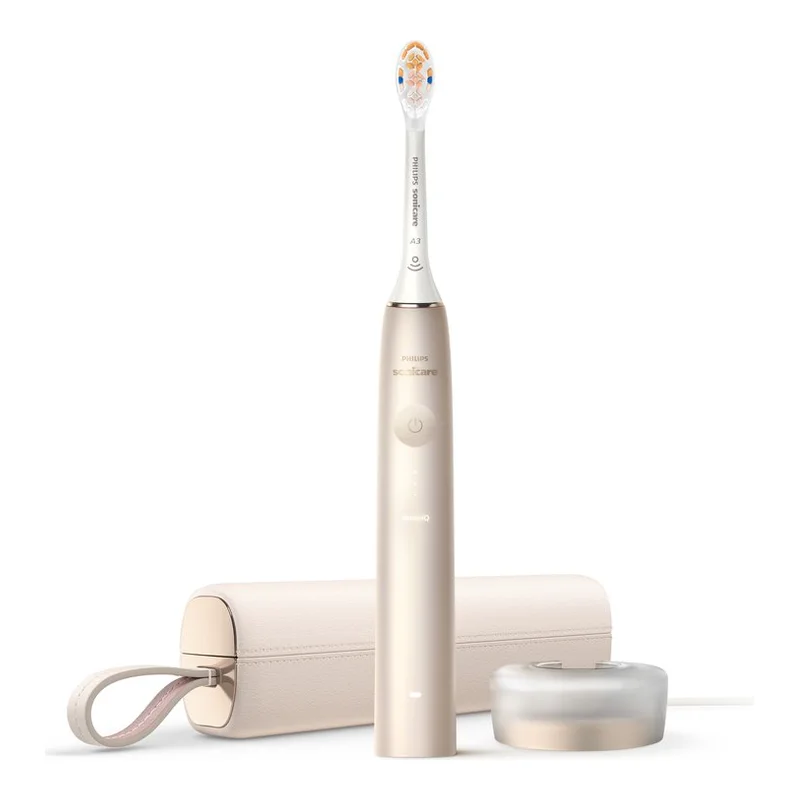
8.0/10
£198.99
The models side by side
The key differences between the models on our list. Click a model to read the full review.
Best overall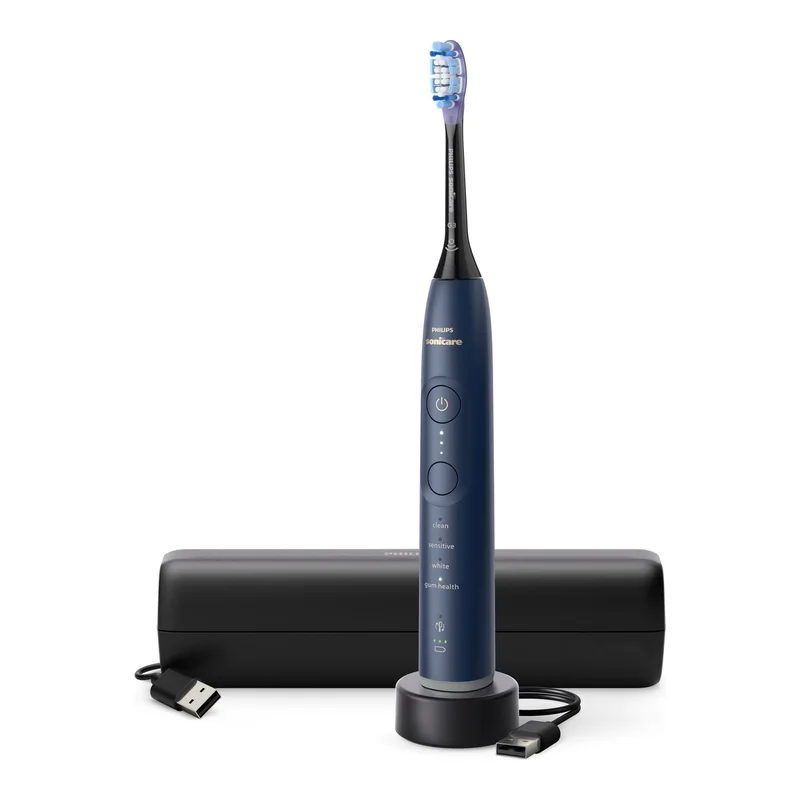 PhilipsSonicare 7100 | #2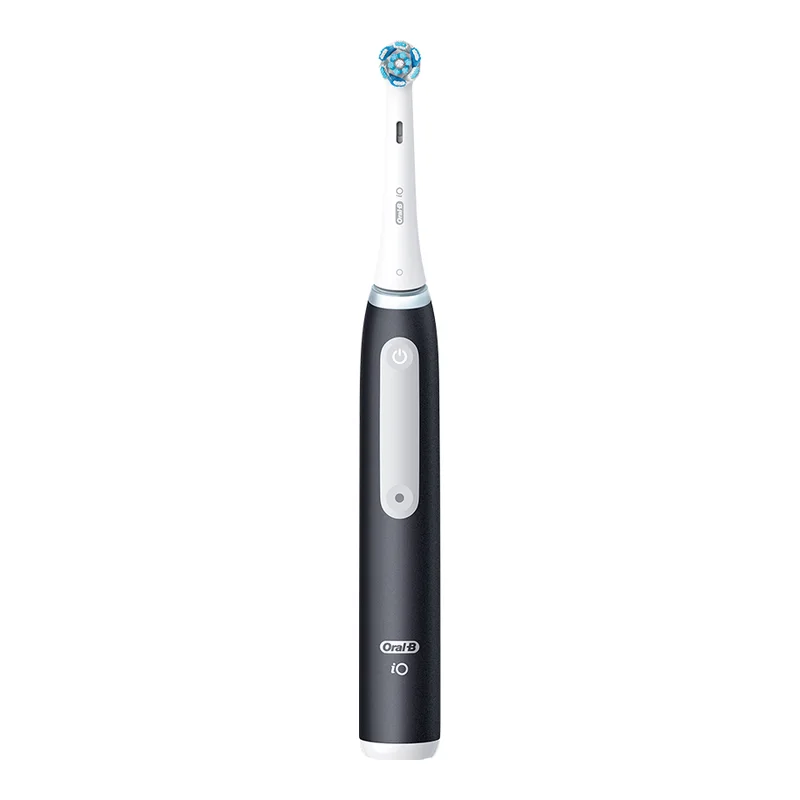 Oral-BiO3Best for pressure feedback | #3PhilipsSonicare 9900 PrestigeBest for adaptive brushing | #4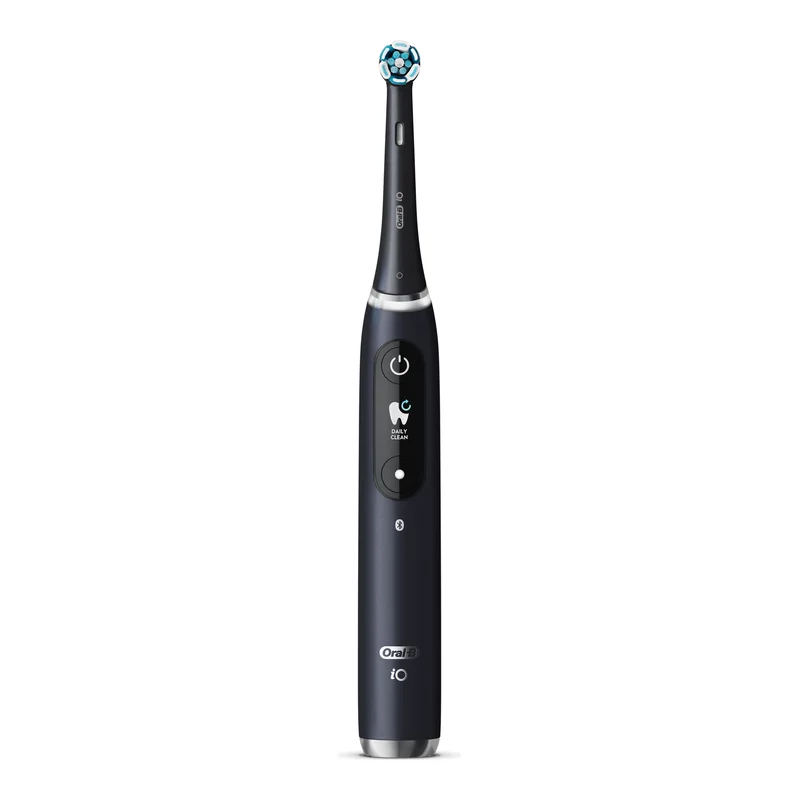 Oral-BiO9Best for travel | #5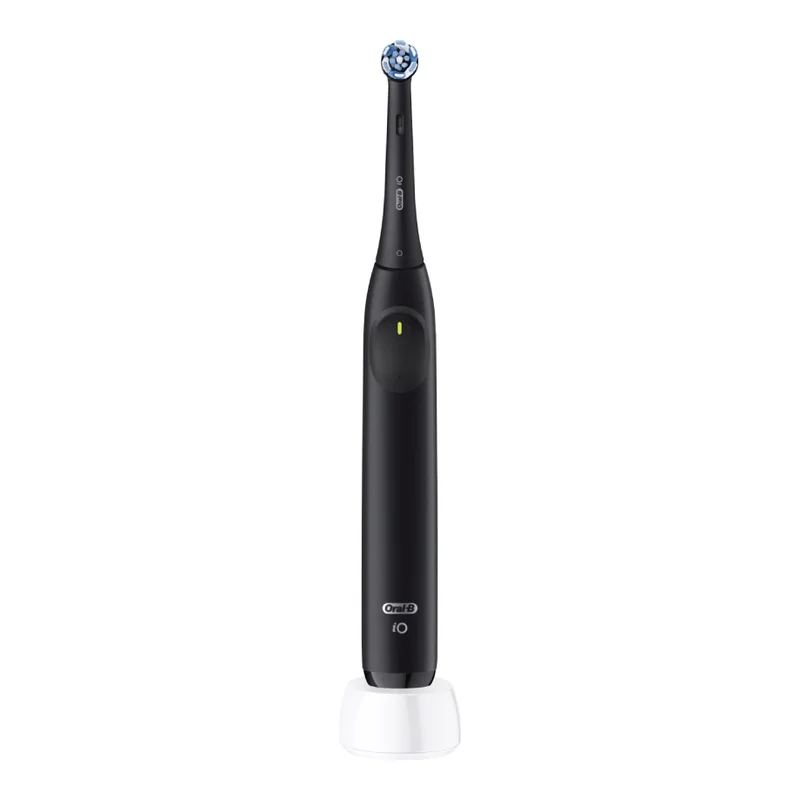 Oral-BiO2Best budget choice | |
|---|---|---|---|---|---|
| Price | £139 | £130 | £198.99 | £500 | £33 |
| Technology | Sonic; 62,000 bristle movements per minute | Oscillating with micro-vibrations | Sonic; 62,000 bristle movements per minute | Oscillating with micro-vibrations | Oscillating with micro-vibrations |
| Battery and charging | Up to 21 days | Up to 18 days (earlier listing) | Up to 2 weeks | Up to 14 days; 3-hour charge | 5–6 weeks; allow up to 24 hours to charge |
| Pressure sensor | Visual warning at the handle base | Too hard, too soft and just right | SenseIQ; up to 100 checks per second | Too hard, too soft and just right | Red warning and reduced speed |
| Best for | Sonic brushing with adjustable intensity | Pressure feedback without an app | Adaptive sonic brushing | Frequent travel and quick charging | A straightforward first electric brush |
| Score | 8.5 | 8.3 | 8.0 | 7.9 | 7.8 |
Find the right electric toothbrush for you
Answer five questions about brushing preferences, feedback, travel and budget.
Best for: Sonic brushing with adjustable intensity
Philips
1. Philips Sonicare 7100
Sub-scores and weighting by criterion
- Cleaningweight 30%
- 9.0/10
9.0 out of 10 - Gentlenessweight 20%
- 9.0/10
9.0 out of 10 - Featuresweight 15%
- 8.5/10
8.5 out of 10 - Battery and chargingweight 15%
- 9.0/10
9.0 out of 10 - Priceweight 20%
- 7.0/10
7.0 out of 10
In short
The 7100 balances adjustable sonic cleaning, clear pressure feedback and a long quoted runtime. Its lead is an editorial synthesis rather than evidence of better dental outcomes. UK bundles differ, so check the case and included heads before ordering. It is the most balanced sonic option in this fixed shortlist, provided its adjustment range is useful to you. Check the precise UK bundle before buying: accessories and connected features vary, and our evidence does not establish a clinical advantage over the cheaper models.
Compiled by Alexandra Eriksson · Updated
Who is the Philips Sonicare 7100 for?
Best for someone who wants adjustable sonic brushing, clear pressure feedback and a long quoted runtime without paying for app-based coaching. The four modes and three intensities give room to settle into a comfortable routine. If you want automatic pressure correction rather than a visual warning, the 9900 Prestige suits you better, at a higher price.
Adjustability without a screen
The 7100 gives you four brushing modes and three intensity levels, so there is more room to find a comfortable routine than on the simpler Oral-B handles. Its sonic action is different from the round-head movement of the iO range. Preference is personal: neither the motion count nor the number of modes proves superior dental outcomes.
Pressure feedback at the handle base is more useful than another marketing programme if you tend to scrub. Ease off when it warns rather than trying to force the bristles between teeth. Adjustable intensity also helps you settle into powered brushing, although persistent discomfort is a reason to speak to a dental professional, not simply change modes.
Pros
- Four modes and three intensities
- Long quoted battery life
- Visible pressure feedback
Cons
- Costs more than either entry-level Oral-B
- Replacement heads add to running costs
- No AI coverage guidance in the reviewed version
Key specifications
Philips- Brand
- Philips
- Price
- £139
- Technology
- Sonic; 62,000 bristle movements per minute
- Modes
- 4 modes; 3 intensities
- Battery and charging
- Up to 21 days
- Pressure sensor
- Visual warning at the handle base
- Included
- G3 head and charging travel case; check bundle
- Best for
- Sonic brushing with adjustable intensity
- Overall score
- 8.5 / 10
Best for: Pressure feedback without an app
Oral-B
2. Oral-B iO3
Sub-scores and weighting by criterion
- Cleaningweight 30%
- 9.0/10
9.0 out of 10 - Gentlenessweight 20%
- 8.5/10
8.5 out of 10 - Featuresweight 15%
- 6.0/10
6.0 out of 10 - Battery and chargingweight 15%
- 8.0/10
8.0 out of 10 - Priceweight 20%
- 9.0/10
9.0 out of 10
In short
The iO3 concentrates on the useful essentials: a round head, timer and pressure light that distinguishes excessive, insufficient and appropriate force. It omits app guidance and a screen, but replacement-head costs still matter. It suits buyers who want informative pressure feedback more than extensive coaching. At this UK listing price, compare it carefully with the 7100 rather than relying on the inherited price score; the two handles use different movements and offer different strengths.
Compiled by Alexandra Eriksson · Updated
Who is the Oral-B iO3 for?
Best for someone who wants detailed three-way pressure feedback, distinguishing too hard, too light and just right, without a screen or app to manage. Its round head and simple controls keep the routine straightforward. If you want the lowest possible entry price, the iO2 costs less but gives less informative pressure feedback.
Useful feedback comes first
The iO3’s strongest feature is its pressure sensor: it distinguishes pressing too hard, too lightly and appropriately. That is a meaningful step beyond a simple red overload warning. It gives an immediate cue during brushing without making you keep a phone on the washbasin or interpret a detailed score after every session.
Three modes cover daily cleaning, sensitive brushing and whitening. More modes are not automatically better, especially if you tend to leave a brush on its default setting. The compact round head may suit people who prefer working around each tooth individually, but it still needs careful positioning rather than the scrubbing motion associated with a manual brush.
Pros
- Three-way pressure feedback
- No app needed
- Round iO brush heads
Cons
- No app or display
- iO replacement heads can be expensive
- Only three modes
Key specifications
Oral-B- Brand
- Oral-B
- Price
- £130
- Technology
- Oscillating with micro-vibrations
- Modes
- 3 modes
- Battery and charging
- Up to 18 days (earlier listing)
- Pressure sensor
- Too hard, too soft and just right
- Included
- 1 brush head
- Best for
- Pressure feedback without an app
- Overall score
- 8.3 / 10
Best for: Adaptive sonic brushing
Philips
3. Philips Sonicare 9900 Prestige
Sub-scores and weighting by criterion
- Cleaningweight 30%
- 9.0/10
9.0 out of 10 - Gentlenessweight 20%
- 9.5/10
9.5 out of 10 - Featuresweight 15%
- 9.5/10
9.5 out of 10 - Battery and chargingweight 15%
- 8.0/10
8.0 out of 10 - Priceweight 20%
- 4.0/10
4.0 out of 10
In short
SenseIQ automatically adjusts intensity if you press too hard, while the app and charging case provide more guidance and travel flexibility. Those extras make most sense if you will use them consistently rather than simply wanting a two-minute clean. This is a considered upgrade for someone who wants help moderating brushing pressure and will engage with the guidance. It is not essential for an effective everyday routine, and the exact model number matters because a newer Prestige generation is also on sale.
Compiled by Alexandra Eriksson · Updated
Who is the Philips Sonicare 9900 Prestige for?
Best for someone who habitually presses too hard and wants SenseIQ to automatically ease off, alongside app guidance and a USB charging case for travel. It makes most sense if you will actually engage with the feedback rather than just wanting a two-minute clean. If you will not use the app, the plainer 7100 covers the essentials for less money.
Automation with a purpose
The 9900 Prestige’s defining feature is SenseIQ, which monitors brushing and can reduce intensity when you press too hard. This changes the brush’s behaviour rather than merely displaying a warning. It is an appealing approach if you habitually overbrush, though it does not remove the need to position the head carefully or follow professional advice.
The source specification describes sensing pressure, movement and coverage up to 100 times per second. That frequency explains the system rather than measuring its benefit to your teeth. We do not use Philips’ comparisons with manual brushing to claim that it cleans a particular percentage better than the 7100 or an Oral-B iO handle.
Pros
- Automatically reduces intensity under excessive pressure
- USB charging travel case
- App-based brushing guidance
Cons
- Costs more than the 7100
- Replacement A3 heads add to ownership costs
- App guidance is unnecessary for some routines
Key specifications
Philips- Brand
- Philips
- Price
- £198.99
- Technology
- Sonic; 62,000 bristle movements per minute
- Modes
- 5 modes; adaptive intensity
- Battery and charging
- Up to 2 weeks
- Pressure sensor
- SenseIQ; up to 100 checks per second
- Included
- A3 head and USB charging travel case
- Best for
- Adaptive sonic brushing
- Overall score
- 8.0 / 10
Best for: Frequent travel and quick charging
Oral-B
4. Oral-B iO9
Sub-scores and weighting by criterion
- Cleaningweight 30%
- 9.0/10
9.0 out of 10 - Gentlenessweight 20%
- 8.5/10
8.5 out of 10 - Featuresweight 15%
- 9.0/10
9.0 out of 10 - Battery and chargingweight 15%
- 8.5/10
8.5 out of 10 - Priceweight 20%
- 4.5/10
4.5 out of 10
In short
The iO9 combines a three-hour charge with a charging travel case and extensive feedback. At the verified £500 listing it is a specialist purchase, not a good-value route to better cleaning than the cheaper iO models. The attraction is practical convenience rather than an established improvement in dental outcomes. Buyers who do not regularly travel or forget to charge are unlikely to need this much equipment, especially at a listing price substantially above every other model in the guide.
Compiled by Alexandra Eriksson · Updated
Who is the Oral-B iO9 for?
Best for frequent travellers who want a three-hour charge and a charging travel case alongside extensive feedback from a colour screen and app. The three-way pressure sensor is a genuine everyday benefit, though the display and extra modes are optional extras. At its considerably higher price, most buyers without regular travel needs are better served by the iO3's pressure feedback for far less outlay.
Travel is the reason to upgrade
The iO9’s clearest advantage is charging convenience. A full charge takes around three hours, and the included charging travel case lets you replenish the handle away from its usual stand. That combination is more persuasive for frequent travellers than an extra cleaning mode that may remain unused throughout the brush’s life.
The source specification quotes up to 14 days of use between charges. Your routine and settings will affect that figure, and we have not measured it ourselves. A charging case still needs a power source; pack the appropriate supply rather than assuming it works as a self-contained power bank or accepts any USB lead.
Pros
- Three-hour full charge
- Charging travel case
- Colour display and app tracking
Cons
- By far the highest checked price here
- Extra modes will not suit every routine
- No demonstrated cleaning advantage over iO2 in the cited review
Key specifications
Oral-B- Brand
- Oral-B
- Price
- £500
- Technology
- Oscillating with micro-vibrations
- Modes
- 7 modes, including tongue cleaning
- Battery and charging
- Up to 14 days; 3-hour charge
- Pressure sensor
- Too hard, too soft and just right
- Included
- 1 head and charging travel case
- Best for
- Frequent travel and quick charging
- Overall score
- 7.9 / 10
Best for: A straightforward first electric brush
Oral-B
5. Oral-B iO2
Sub-scores and weighting by criterion
- Cleaningweight 30%
- 8.5/10
8.5 out of 10 - Gentlenessweight 20%
- 8.0/10
8.0 out of 10 - Featuresweight 15%
- 4.5/10
4.5 out of 10 - Battery and chargingweight 15%
- 6.5/10
6.5 out of 10 - Priceweight 20%
- 10.0/10
10.0 out of 10
In short
At £33, the iO2 is the clear low-cost option among these five. A timer and excessive-pressure warning cover the basics, although charging is slow and the pressure light is less informative than the iO3’s. Choose it for an uncomplicated routine, not connected coaching or fast top-ups. The included travel case is useful, but charging specifications differ between markets and this UK listing, so check the manual and allow plenty of time before travelling.
Compiled by Alexandra Eriksson · Updated
Who is the Oral-B iO2 for?
Best for someone wanting a straightforward, low-cost first electric brush, with a timer and an excessive-pressure warning covering the basics. One-button operation keeps the learning curve gentle while you adjust to powered brushing. If you want more detailed three-way pressure feedback or faster charging, the iO3 or iO9 are better suited, at higher prices.
A low-cost route into powered brushing
At £33 in the checked black Argos bundle, the iO2 is the least expensive of these five by a wide margin. It combines the round iO head with micro-vibrations, a timer and an excessive-pressure warning. Those are useful foundations for a routine, without the distraction or cost of a display and companion app.
One-button operation keeps the learning curve modest. The inherited specification lists three intensity levels, allowing a gentler starting point if powered brushing feels unfamiliar. Avoid treating a stronger setting as inherently more effective: careful coverage and appropriate pressure matter more than simply choosing the most vigorous sensation available on the handle.
Pros
- Lowest checked price in this selection
- Simple one-button operation
- Pressure warning and two-minute timer
Cons
- Slow charging compared with iO9
- Small pressure warning light
- No app, display or optimal-pressure feedback
Key specifications
Oral-B- Brand
- Oral-B
- Price
- £33
- Technology
- Oscillating with micro-vibrations
- Modes
- 3 intensity levels
- Battery and charging
- 5–6 weeks; allow up to 24 hours to charge
- Pressure sensor
- Red warning and reduced speed
- Included
- 1 Gentle Care head and travel case
- Best for
- A straightforward first electric brush
- Overall score
- 7.8 / 10
The shortlist
Other models we considered – and why they did not make the list
17 reviewed · 5 selected · 12 ruled out – see why
See whyHide
The shortlist
Other models we considered – and why they did not make the list
17 reviewed · 5 selected · 12 ruled out – see why
We compared these models with the top list. Under each one we explain what set it apart from the five we picked – such as price, test results, features or availability in the UK.
Other feature-rich alternatives6
- Oral-B iO6 – Offers a screen and app, but was not selected over the simpler iO3 or quicker-charging iO9.
- Oral-B iO10 – An advanced alternative outside this fixed five-model selection.
- Oral-B iO8 – Its feature set overlaps the iO9, which retains the travel-focused place.
- Philips Sonicare DiamondClean Smart 9400 – Considered, but fell outside the final five.
- Philips Sonicare DiamondClean 9000 – Our evidence review found conflicting mode counts.
- Dyson CameraJet – Considered, but fell outside the final five.
Models outside the final five6
- Oral-B iO7 – Considered, but fell outside the final five.
- Oral-B Pro 3 3200S – Considered, but fell outside the final five.
- Oral-B Pro 1000 – Our research could not match the exact retail model.
- Suri Core 1.0 – Considered, but fell outside the final five.
- Suri 2.0 – Not selected for the final five; its case arrangement was a concern.
- Curaprox Hydrosonic Pro – Slow charging and cost were concerns in the source comparison.
The expert panel
What do other experts say?
We read what established review sites write about the same models and summarise it in our own words. Their verdicts are one of several sources – they do not decide our ranking, but give you a broader picture before you buy.
 The Guardian


- 4 independent review sites
- Reviews published 2026
- Praise and criticism
Best overall
Philips Sonicare 7100
TechRadar
Published 13 Oct 2026
- Praises
- Four modes and three intensities
- Criticises
- No AI coverage guidance in the reviewed version
Testrated's assessment
The 7100 balances adjustable sonic cleaning, clear pressure feedback and a long quoted runtime. Its lead is an editorial synthesis rather than evidence of better dental outcomes. UK bundles differ, so check the case and included heads before ordering.
Checked 16 Nov 2026Read the review at TechRadarBest for pressure feedback
Oral-B iO3
The Guardian
Updated 9 Nov 2026
- Praises
- Three-way pressure feedback
- Criticises
- iO replacement heads can be expensive
Testrated's assessment
The iO3 concentrates on the useful essentials: a round head, timer and pressure light that distinguishes excessive, insufficient and appropriate force. It omits app guidance and a screen, but replacement-head costs still matter.
Checked 16 Nov 2026Read the review at The GuardianBest for adaptive brushing
Philips Sonicare 9900 Prestige
T3
Published 8 Jul 2026
- Praises
- Automatically reduces intensity under excessive pressure
- Criticises
- Replacement A3 heads add to ownership costs
Testrated's assessment
SenseIQ automatically adjusts intensity if you press too hard, while the app and charging case provide more guidance and travel flexibility. Those extras make most sense if you will use them consistently rather than simply wanting a two-minute clean.
Checked 16 Nov 2026Read the review at T3Best for travel
Oral-B iO9
The Independent
Published 6 Aug 2026
4/5Source's score
- Praises
- Three-hour full charge
- Criticises
- No demonstrated cleaning advantage over iO2 in the cited review
Testrated's assessment
The iO9 combines a three-hour charge with a charging travel case and extensive feedback. At the verified £500 listing it is a specialist purchase, not a good-value route to better cleaning than the cheaper iO models.
Checked 16 Nov 2026Read the review at The Independent
Buying guide
How to choose an electric toothbrush
- By Alexandra Eriksson · Updated 2026-11-16
- 7 sections
- About 2 min read
Start with a brush you can use comfortably and consistently, rather than the highest mode count. This selection covers sonic and oscillating designs, from a simple handle to connected models with charging cases.
Prices vary sharply between UK retailers and promotions. The checked range is £33–£500; compare exact model codes, compatible replacement heads and included chargers before judging a deal.
Sonic or oscillating: which toothbrush is best?
Back to topThe Philips models use sonic movement; the Oral-B models combine a round oscillating head with micro-vibrations. The difference in sensation and head shape can matter more to your preference than the number printed on the box.
Neither a movement count nor a manufacturer’s plaque claim against a manual brush establishes which of these five will work best for your mouth. Ask a dental professional about persistent bleeding, pain or recession.
Which electric toothbrush suits your household?
Back to topAn electric toothbrush suits different routines in different ways. Below are some common situations and which models in this test fit them, based on the pressure feedback, modes and charging details in the data.
For the first-time electric brush user
If you are moving from a manual brush, Oral-B iO2 keeps things simple with one-button operation and a timer. The pressure warning covers the basics, though it is less detailed than the iO3's three-way feedback. Charging takes longer than the pricier models, so plan ahead before a busy week.
For teeth and gums that need a gentler touch
Philips Sonicare 9900 Prestige automatically reduces intensity if you press too hard, rather than only showing a warning light. The companion app can help you spot uneven coverage, but it only adds value if you actually use the feedback. It costs more than the 7100, so weigh the adaptive technology against the extra outlay.
For frequent travellers
Oral-B iO9 charges fully in around three hours and comes with a charging travel case, useful if you are often away from your usual socket. Seven modes and a colour display give plenty of feedback to work through. At its considerably higher price, this is a specialist purchase rather than a route to a better clean than the cheaper iO models.
For someone who wants clear feedback without a screen
Oral-B iO3 distinguishes between pressing too hard, too lightly and just right, without a display or app to manage. It suits a routine where you want an immediate physical cue rather than a session report afterwards. If you also want adjustable intensity and a sonic feel, the 7100 is the alternative worth comparing.
For an all-round balanced choice
Philips Sonicare 7100 pairs four brushing modes with three intensities and a visible pressure warning at the base of the handle, plus a long quoted runtime. It costs more than either entry-level Oral-B, so it suits someone who wants more adjustability than the cheapest option offers. Replacement heads also add an ongoing cost to factor in.
Why is pressure feedback more important than modes?
Back to topA visible warning helps if you press too hard. The iO3 and iO9 also indicate suitable and insufficient pressure, while the 9900 Prestige can reduce intensity automatically.
Sensitive settings offer a gentler starting point but are not treatment. A timer encourages a complete session; an app is optional and only worthwhile if you use the feedback.
How do these five electric toothbrushes compare?
Back to topThese are specification-led comparisons, not Testrated battery measurements. UK bundle and source specification differences are highlighted in the individual reviews.
| Model | Checked price | Main reason to choose | Main compromise |
|---|---|---|---|
| Philips Sonicare 7100 | £139 | Sonic brushing with adjustable intensity | Costs more than either entry-level Oral-B |
| Oral-B iO3 | £130 | Pressure feedback without an app | No app or display |
| Philips Sonicare 9900 Prestige | £198.99 | Adaptive sonic brushing | Costs more than the 7100 |
| Oral-B iO9 | £500 | Frequent travel and quick charging | By far the highest checked price here |
| Oral-B iO2 | £33 | A straightforward first electric brush | Slow charging compared with iO9 |
How do you charge an electric toothbrush when travelling?
Back to topSome UK toothbrush chargers use a two-pin shaver plug rather than a three-pin mains plug. Check the actual bundle, supply rating and socket compatibility; keep adaptors away from water and follow the charger instructions.
A travel case may be protective only. The iO9’s powered case and fast charger suit frequent trips; USB charging is specified for the 9900 Prestige case, but should not be assumed for every competing case.
How much do replacement toothbrush heads cost?
Back to topCheck that replacement heads explicitly fit your handle family. In particular, do not assume every Oral-B head fits an iO brush. Compare per-head costs and included quantities rather than just multipack prices.
Replace heads in line with manufacturer advice, usually around three months or sooner when worn. Promotional handle prices can make a higher-ranked model look poor value on a particular day; the inherited editorial scores do not update automatically with retailer discounts.
Does a routine matter more than toothbrush features?
Back to topCover the inner, outer and chewing surfaces carefully and let the head do the work. Use fluoride toothpaste and follow your dental professional’s advice about cleaning between teeth.
Tracking, colour displays and extra modes can make a routine easier to follow, but cannot diagnose or treat dental problems. This guide compares buying considerations, not long-term clinical outcomes.
Before you buy
Common pitfalls when buying electric toothbrushes
These are the details that often trip buyers up once the box is open: mistakes made at the point of purchase, costs that arrive later, and figures on the specification sheet that promise more than they deliver in daily use.
Common mistakes
- Picking by mode count alone. More brushing modes do not make for a better clean; the iO9's seven modes and the 7100's four modes suit different habits rather than one being objectively superior.
- Assuming every bundle includes the same accessories. The case, head type and charging method vary by listing and colour, so check the exact bundle rather than only the model name.
- Overlooking the difference between pressure feedback types. A basic red warning light, as on the iO2, tells you less than the three-way feedback on the iO3 and iO9, or the automatic adjustment on the 9900 Prestige.
- Mixing up battery life figures from different listings. Quoted runtimes for the same model can differ between retailers and earlier listings, so treat any single figure as indicative rather than guaranteed for your bundle.
- Forgetting to check the charger plug type. Some bundles use a two-pin bathroom shaver plug rather than a standard three-pin mains plug, which affects where you can charge the brush.
Hidden costs
- Replacement heads. Oral-B iO heads and Philips G3- or A3-compatible heads are separate, ongoing purchases, and costs vary by compatibility, not just brand.
- Heads bought for the wrong family. An iO head will not fit a standard Oral-B handle, and vice versa, so check compatibility before buying a multipack.
- A case that only protects, not charges. Some travel cases simply hold the brush; only specific bundles, such as the 9900 Prestige's USB charging case or the iO9's charging travel case, actually recharge the handle.
- Extra cables or adaptors for travel. A charging case still needs its own power source, so you may need the correct lead or plug adaptor rather than assuming it works like a self-contained power bank.
Figures that look better on paper
- Bristle movements or vibrations per minute. A headline figure such as 62,000 movements describes the mechanism, not a proven cleaning advantage over a brush with a different number.
- Checks per second on pressure sensing. The 9900 Prestige's up to 100 checks per second explains how SenseIQ works, not how much better your teeth will be cleaned.
- Maximum quoted battery life. Figures like up to 21 days or up to 2 weeks are stated maximums under particular conditions, not a guaranteed runtime for your own routine.
- Number of modes or intensities. Seven modes on the iO9 or five on the 9900 Prestige sound comprehensive, but most routines only ever use one or two of them regularly.
- An inherited price-based score. A model's score reflects its listing at the time of review, so compare today's price yourself rather than assuming the ranking still matches current retailer prices.
Frequently asked questions
Which electric toothbrush should I choose?
Start with a timer, pressure feedback and affordable replacement heads. The 7100 is the overall choice here; the iO2 is the least expensive at the checked prices.
Is sonic or oscillating brushing better?
Both can form part of an effective routine. Head size, comfort and technique matter; this guide does not establish a clinical advantage for one technology.
Do I need an app?
No. The iO3 and iO2 cover routine brushing without one. App tracking is most useful if you will act on its feedback.
How often should I replace the head?
Typically around every three months, or sooner if bristles become worn. Follow the head manufacturer’s advice and your dental professional’s recommendations.
Will a UK charger fit a normal socket?
Some UK bundles use a two-pin bathroom charging plug. Check the supplied charger and use an appropriate adaptor for a three-pin socket; do not assume every travel case charges by USB.
Have you tested the electric toothbrushes yourselves?
No. We weigh published expert tests, manufacturer specifications and retailer information. We have not run our own laboratory tests or assessed clinical outcomes.
Do I need a pressure sensor on an electric toothbrush?
A pressure sensor is useful if you tend to press too hard, since brushing firmly does not clean better and can be uncomfortable over time. Feedback ranges from a basic warning light, as on the iO2, to three-way feedback on the iO3 and iO9, or automatic intensity reduction on the 9900 Prestige. Choose the level of feedback that matches how closely you want to monitor your technique.
Can I use a different brand's head on my toothbrush?
No. Replacement heads are specific to a handle family, so an Oral-B iO head will not fit a standard Oral-B handle, and Philips heads such as the G3 or A3 are not interchangeable with each other either. Always check that a replacement head is listed as compatible with your exact model before buying.
How we compiled the evidence
How we choose the best electric toothbrushes
Prioritise effective everyday cleaning and gentle technique, then consider features, charging and ownership cost. Cleaning carries the most weight: 30 per cent. The scores are editorial assessments of the combined evidence, not results from our own hands-on tests.
Sources used in this guide
- TechRadar
- The Guardian
- T3
- The Independent
- + More sources
Step 1 · What we weigh
Scoring criteria and weighting
Cleaning carries the most weight: 30 per cent. Click an area to see what it covers.
Cleaning
30% of the scoreCleaning: 30%.
Highest sub-score for cleaning: Philips Sonicare 7100 with 9.0 out of 10.
Step 2 · The result
How we calculated the scores
All five models are assessed against the same five criteria. The criteria carry different weights: cleaning 30 %, gentleness 20 %, features 15 %, battery and charging 15 %, price 20 %. The overall score is the weighted sum of the sub-scores, rounded to one decimal place.
Overall scorecleaning × 30%gentleness × 20%features × 15%battery and charging × 15%price × 20%
| Model and sub-scores (Cleaning, Gentleness, Features, Battery and charging, Price) | Overall score |
|---|---|
| Philips Sonicare 71009 · 9 · 8.5 · 9 · 7 (sub-scores) | 8,5/10 |
| Oral-B iO39 · 8.5 · 6 · 8 · 9 (sub-scores) | 8,3/10 |
| Philips Sonicare 9900 Prestige9 · 9.5 · 9.5 · 8 · 4 (sub-scores) | 8,0/10 |
| Oral-B iO99 · 8.5 · 9 · 8.5 · 4.5 (sub-scores) | 7,9/10 |
| Oral-B iO28.5 · 8 · 4.5 · 6.5 · 10 (sub-scores) | 7,8/10 |
The method in detail
How we compare electric toothbrushes
We have not used or laboratory-tested these brushes. The comparison uses five models and our editorial order, scores and weights, with British-English advice and verified UK retail listings.
Criteria and weights
Scores are editorial assessments of published evidence and specifications, not clinical measurements. The original price sub-scores are retained even where UK prices change the apparent value.
| Criterion | Weight | What matters |
|---|---|---|
| Cleaning | 30% | Published cleaning assessments and access around teeth |
| Gentleness | 20% | Pressure feedback and gentle settings |
| Features | 15% | Useful modes, timers, guidance and cases |
| Battery and charging | 15% | Quoted endurance and charging convenience |
| Price | 20% | Initial cost and replacement heads |
Evidence and limits
TechRadar, The Guardian, T3 and The Independent provide independent editorial perspectives. We distinguish those assessments from manufacturer specifications and retailer bundle descriptions.
Prices are snapshots checked for this edition; stock can depend on postcode. Conflicting battery and charging figures are disclosed rather than presented as our own findings. Manufacturer comparisons with manual brushes do not establish superiority within this shortlist.
Sources reviewed
- TechRadar
- The Guardian
- T3
- The Independent
- Published English-language reviews
- Manufacturer specifications
- UK retailer prices and bundle descriptions
Reviewed by
Alexandra Eriksson
Editor, Home & Kitchen, Beauty and Family
Last reviewed 16 November 2026
Sources and references
References for the details on technology, modes, battery and charging, pressure sensor, included and guidance for choosing electric toothbrushes. Each link is described below.
- 1John Lewis – Philips Sonicare 7100Product page with price, stock and specifications.
- 2Argos – Oral-B iO3Product page with price, stock and specifications.
- 3Amazon.co.uk – Philips Sonicare 9900 PrestigeProduct page with price, stock and specifications.
- 4Argos – Oral-B iO9Product page with price, stock and specifications.
- 5Argos – Oral-B iO2Product page with price, stock and specifications.
The highest overall score is our weighted verdict for electric toothbrushes. If price matters more to you than cleaning, another of our picks may suit you better.